Author: Kiera Blake

Architecture Stairway Metal Railing Ideas for Stylish and Functional Spaces

A stairway is more than a path between floors. It is often one of the first architectural features people notice when they enter a space. The right railing can turn a simple staircase into a striking design statement while also improving safety, comfort, and long-term value. Metal railings are especially popular because they combine strength, versatility, and visual appeal. Whether the goal is sleek and modern, warm and industrial, elegant and decorative, or simple and practical, Architecture Stairway Metal Railing ideas can help transform an ordinary staircase into a memorable focal point.

Why Metal Railings Are a Smart Stairway Choice
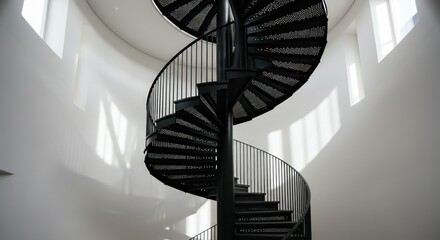
metal works

Metal railings offer a unique balance of durability and design flexibility. Unlike some materials that may warp, crack, or weaken over time, metal can provide dependable support for years when properly fabricated and maintained. This makes it a strong choice for both interior and exterior stairways.

One of the main advantages of metal railings is their ability to suit many architectural styles. They can be shaped into clean modern lines, traditional scrollwork, geometric patterns, or custom artistic forms. This makes them adaptable to residential, commercial, and public spaces.

Metal also works well with other materials. It can be paired with wood for warmth, glass for openness, stone for texture, or concrete for a bold industrial feel. This flexibility allows designers and property owners to create stairways that feel personal, balanced, and visually connected to the rest of the space.

Modern Minimalist Metal Railing Ideas

Modern minimalist stairway railings focus on clean lines, open space, and simple forms. These designs often use slim metal posts, horizontal rails, or flat bar systems to create a refined appearance without unnecessary ornamentation.

Black metal railings are a popular choice for minimalist interiors because they provide strong contrast while maintaining a sleek look. A matte finish can make the railing feel understated and sophisticated. For lighter spaces, brushed stainless steel or powder-coated light finishes can help the stairway blend smoothly into the surrounding design.

Minimalist railings are especially effective in open floor plans because they provide safety without visually blocking the space. Thin profiles allow light to move freely, making the area feel larger and more connected. This approach works well with floating staircases, open risers, and contemporary interiors that prioritize simplicity.

Industrial Stairway Metal Railing Concepts

Industrial design often celebrates raw materials, exposed structure, and practical details. Metal railings are a natural fit for this style because they can highlight strength and craftsmanship.

Steel railings with visible welds, dark finishes, or pipe-style handrails can create a bold industrial character. These designs often pair well with brick, concrete, reclaimed wood, and exposed beams. The result is a stairway that feels sturdy, authentic, and visually grounded.

Cable railings can also support an industrial look, especially when combined with metal posts and wood treads. The cables provide safety while keeping the design open and streamlined. For a stronger statement, perforated metal panels or mesh infill can be used to add texture and depth.

Industrial railings do not have to feel cold or unfinished. When balanced with warm lighting, natural wood, or soft interior finishes, they can bring character and personality to the space.

Decorative Metal Railings for Elegant Stairways

For spaces that call for a more refined or traditional appearance, decorative metal railings offer timeless appeal. These railings often feature curves, scrolls, floral patterns, or custom ornamental details that add artistry to the staircase.

Wrought iron-inspired designs remain popular because they create a sense of elegance and craftsmanship. They can be simple and graceful or highly detailed depending on the style of the property. Decorative metal railings are especially effective on grand staircases, curved stairways, and entry areas where visual impact matters.

A decorative railing can also be customized to match architectural details found elsewhere in the space. Repeating shapes from doors, windows, lighting fixtures, or furniture can help create a cohesive design. Finishes such as bronze tones, antique textures, or polished metal accents can further enhance the overall look.

Metal and Glass Railing Ideas for Open Spaces

Metal and glass railings are ideal for stairways where openness and light are important. Glass panels create a clear barrier while metal frames provide strength and structure. This combination gives the staircase a modern, polished appearance.

Frameless or semi-frameless glass systems can make a stairway feel almost invisible, allowing surrounding finishes and architectural details to stand out. Metal posts or handrails can be used for added support and visual definition.

This railing style works especially well in contemporary interiors, luxury homes, offices, and spaces with scenic views or dramatic lighting. It can make narrow stairways feel wider and help maintain a bright, spacious atmosphere.

Maintenance is an important consideration with glass railings, since fingerprints and smudges may be more visible. However, many property owners find that the clean and open appearance is worth the extra care.

Horizontal Metal Railing Designs

Horizontal metal railings offer a sleek and contemporary look. These designs use rails that run parallel to the stair slope, creating a strong sense of movement and direction. They are often used in modern homes, loft-style interiors, and commercial settings.

Flat bar railings provide a crisp architectural appearance, while round tube rails create a softer and more casual look. Horizontal designs can be finished in black, silver, bronze, or custom colors to complement the surrounding materials.

This style pairs beautifully with wood stair treads, concrete steps, and open riser designs. It can also make a stairway appear longer and more streamlined. For safety and code compliance, spacing and installation details should always be carefully planned by qualified professionals.

Vertical Metal Railing Ideas for Classic Appeal

Vertical metal railings remain one of the most versatile and reliable options for stairway design. Their upright lines create a balanced appearance that works with both traditional and modern architecture.

Simple vertical pickets provide a clean, timeless look. When combined with a smooth metal handrail, they can feel understated and elegant. More decorative vertical elements can add character without overwhelming the design.

Vertical railings are especially useful when safety is a priority, since their structure can help reduce climbability and provide secure separation along the stairway. They are suitable for interior staircases, exterior steps, balconies, and landings.

The finish can completely change the mood of the railing. Black creates bold definition, stainless steel feels modern, and warmer metallic tones can add richness and sophistication.

Mixing Metal With Wood for Warmth and Balance

Metal railings can sometimes feel strong or formal on their own, but pairing them with wood introduces warmth and natural texture. This combination is one of the most popular choices for stairway design because it balances durability with comfort.

A metal railing with a wood handrail can feel inviting while still maintaining a clean architectural look. Wood treads combined with black metal posts create a classic modern contrast. Lighter wood tones can soften the overall appearance, while darker wood can create a more dramatic effect.

This pairing works well in many styles, including modern farmhouse, industrial, transitional, and contemporary interiors. The key is choosing wood tones and metal finishes that complement the surrounding floors, walls, and furnishings.

Custom Metal Railing Ideas for Unique Stairways

Custom metal railings allow for complete creativity. Instead of choosing a standard design, property owners can create railings that reflect personal style and architectural character.

Custom options may include geometric patterns, laser-cut panels, curved metal forms, artistic motifs, or mixed-material combinations. A custom railing can become a centerpiece that gives the stairway a distinct identity.

For modern spaces, abstract patterns and asymmetrical shapes can create a bold visual statement. For traditional spaces, custom scrollwork or ornamental accents can add elegance. For nature-inspired designs, metal panels with organic shapes can bring softness and movement to the staircase.

Custom railings are also useful for unusual stair layouts, curved stairs, compact areas, and spaces where standard products may not fit properly.

Choosing the Right Finish for Metal Railings

The finish of a metal railing affects both appearance and performance. Powder coating is a common choice because it provides a durable and attractive surface in a wide range of colors. Black, white, gray, bronze, and metallic finishes are popular options.

Brushed or polished stainless steel offers a sleek modern look and strong resistance to corrosion. Painted finishes can be customized to match specific design schemes, while textured finishes can add depth and visual interest.

For exterior stairways, corrosion resistance is especially important. Protective coatings help prevent rust and wear caused by moisture and weather exposure. Interior railings may allow for more decorative finish options since they are protected from harsher conditions.

Choosing the right finish helps ensure that the railing remains attractive and functional over time.

Final Thoughts

Architecture stairway metal railing ideas offer endless possibilities for improving both safety and style. From minimalist lines and industrial textures to decorative patterns and glass combinations, metal railings can be adapted to nearly any design vision. The best railing is one that supports the practical needs of the stairway while enhancing the character of the surrounding space. With the right material, finish, and design approach, a metal railing can transform a staircase into a lasting architectural feature that feels strong, beautiful, and thoughtfully designed.
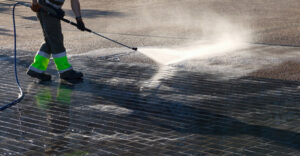
The Next Evolution of Power Washing Services

Power Washing Services are undergoing a quiet revolution. Once limited to simple exterior cleaning, these services now blend technology, chemistry, and sustainability in remarkable ways. What was once just a spray of high-pressure water has evolved into a precise science of surface restoration. The shift reflects how innovation has redefined the very meaning of clean.

Power Washing

The foundation of modern power washing services lies in controlled pressure dynamics. Traditional methods relied solely on raw force to remove grime, often damaging delicate materials. Today’s systems use variable pressure control, adjusting intensity based on surface type. This approach preserves structure while ensuring maximum cleaning depth.

Water efficiency has become a central focus. Instead of continuous high-flow cleaning, modern power washing services use pulsed water delivery that minimizes waste. These pulses maintain cleaning strength while cutting water use dramatically. Sustainability now drives innovation as much as performance.

Temperature manipulation adds another layer of advancement. Heated power washing breaks down oil, grease, and biological buildup faster than cold water alone. The combination of warmth and pressure triggers chemical reactions that lift stains without harsh additives. It’s an elegant balance between physics and chemistry.

New biodegradable detergents complement this process. They dissolve organic buildup without harming surrounding soil or vegetation. The surfactants used are plant-derived and rapidly decomposing, leaving behind no harmful residue. Cleanliness and conscience now coexist seamlessly in modern power washing services.

Automation has also entered the field. Some systems now include programmable settings that calculate ideal pressure, temperature, and detergent ratios automatically. This ensures consistency even across large-scale cleaning projects. Precision and repeatability define this next generation of service.

Nanotechnology has influenced power washing more than most realize. Microfilm coatings are now applied post-cleaning to repel future dirt accumulation. These invisible layers make future cleanings faster and less frequent. Power washing has shifted from reactive to preventive care.

Noise reduction has also improved significantly. Early machines were loud and disruptive, limiting when and where services could be performed. Modern systems incorporate acoustic dampening and low-decibel motors for quieter operation. Cleaning can now happen any time without disturbing the peace.

Smart sensors have become another game-changing feature. They detect surface tension, humidity, and contamination levels, automatically adjusting the water flow. These adaptive responses ensure every wash is optimized for its specific condition. The cleaner learns from its environment in real-time.

Environmental consciousness extends to water reclamation. Power washing services now feature systems that collect, filter, and reuse water on-site. This closed-loop design drastically reduces resource consumption. It represents a major step toward self-sustaining exterior maintenance.

Safety has evolved alongside performance. Advanced nozzles distribute pressure evenly, preventing accidental surface damage or user injury. Ergonomic handle designs reduce fatigue, allowing for longer and more efficient operation. Every detail now contributes to a safer, smarter process.

In urban settings, power washing services now address air pollution residue and micro-particle buildup. These invisible contaminants dull building exteriors and affect air quality. Specialized solutions dissolve these particles without harming paint or coatings. The result is both cleaner surfaces and cleaner air.

Another modern trend is the use of steam-assisted cleaning. By combining high-pressure water with steam vapor, services can sanitize surfaces without chemicals. The heat neutralizes bacteria and fungi instantly. It’s cleanliness that transcends aesthetics and enters the realm of hygiene.

Drone-assisted power washing is no longer futuristic. Autonomous drones can now clean high-rise structures with precision-guided sprayers. Controlled by AI, they adapt to changing wind patterns and surface conditions mid-flight. This innovation redefines accessibility and safety at great heights.

Surface analytics technology allows for pre-cleaning scans. These scans map dirt density, material type, and surface sensitivity before cleaning begins. The data ensures customized cleaning paths tailored to each building’s needs. Science now guides every move of the cleaning process.

The chemistry of detergents has advanced to include enzyme-based solutions. These enzymes break down organic stains such as algae and mold at the molecular level. Unlike bleach, they don’t cause discoloration or material stress. Power washing becomes more of a restoration than an abrasion.

Cold-water optimization has also made strides. Enhanced pressure modulation and additive surfactants now make cold washes as effective as heated ones. This lowers energy consumption while maintaining power. Efficiency is achieved without compromise.

Some services now feature real-time monitoring through digital dashboards. Operators can view water pressure, temperature, and detergent flow in live graphs. This transparency allows for immediate adjustments. The precision mirrors industrial-grade process control systems.

Surface preservation coatings have also become part of premium packages. After cleaning, protective films are applied to repel moisture, dust, and UV rays. These coatings extend the lifespan of paint, concrete, and siding. The goal is not just cleaning but longevity.

Hydrodynamic engineering has introduced laminar flow technology. This innovation ensures the water jet maintains consistent pressure from nozzle to impact point. The result is smoother, more even cleaning without splashback. Every droplet works efficiently toward a single purpose.

Remote-controlled systems now make hazardous area cleaning possible. Operators can control units from a distance, maintaining safety while tackling tough jobs. These machines handle confined spaces, industrial tanks, and fragile rooftops. Human safety remains the highest priority amid technological progress.

Energy recovery systems add to sustainability efforts. Waste heat generated during operation is now recycled to preheat incoming water. This closed-loop thermodynamic design cuts power consumption drastically. Every operation becomes leaner and more responsible.

Power washing services are also integrating AI for predictive maintenance. Algorithms monitor machine performance and alert operators to potential wear before failure occurs. This prevents downtime and extends equipment life. Intelligence ensures reliability through foresight.

The aesthetic impact of modern power washing has improved drastically. The removal of fine particulates reveals textures and colors long hidden by pollution. Clean surfaces now look restored, not just rinsed. It’s rejuvenation that adds tangible value to any property.

Water chemistry adjustment technology enables real-time alteration of mineral content. Hard water can cause streaks, but new filtration systems prevent this. The purified water enhances shine and eliminates spots post-cleaning. The finish speaks of purity perfected through science.

Eco-certification has become a hallmark of modern services. To earn it, companies must prove low emissions, biodegradable use, and minimal runoff. These certifications assure clients that every project upholds environmental ethics. Clean now means responsible as much as it means spotless.

Innovation has also reached surface-specific care. Power washing services now tailor approaches for wood, metal, glass, and composites differently. Custom nozzles and cleaning agents protect each material’s unique properties. Versatility defines excellence in today’s service landscape.

Automation extends even to post-cleaning inspection. High-resolution imaging systems scan surfaces for missed areas or residue. The machine then automatically revisits those spots for perfection. Precision replaces guesswork in the final touch.

Remote diagnostics are transforming maintenance support. Machines transmit data to service hubs that can troubleshoot issues remotely. Technicians receive alerts before problems escalate. Downtime is minimized, and operational flow remains uninterrupted.

Some systems now use water ionization to enhance cleaning power. Charged ions break the bonds between grime and surface, requiring less mechanical force. This soft yet effective method is revolutionizing delicate surface maintenance. Science meets subtlety in every droplet.

Advanced hose materials now allow for greater flexibility and pressure stability. These hoses resist twisting, heat, and corrosion, ensuring durability over years of use. Their lightweight design also improves maneuverability. Technology extends beyond machines into every accessory.

In residential contexts, quieter and smaller power washers make cleaning accessible to all. Compact models with intelligent sensors adapt to decks, patios, and driveways automatically. They balance convenience with power perfectly. Every home can now achieve professional results with ease.

Data integration has made service documentation effortless. Clients receive detailed reports showing water used, time taken, and carbon offset achieved. This transparency builds trust and showcases measurable performance. Cleaning is now both an art and a quantifiable science.

One fascinating innovation is hydro-oxygen infusion. By mixing oxygen microbubbles into the water stream, the cleaning effect intensifies naturally. Oxygen helps break down organic matter and enhances brightness. It’s efficiency born from a simple but brilliant principle.

In coastal or industrial areas, corrosion control has become critical. Power washing services now apply neutralizing agents that balance pH and prevent oxidation. This stops metal deterioration before it begins. Preventive care now happens simultaneously with cleaning.

Machine learning algorithms continue to refine pressure calibration. Systems record thousands of cleaning sessions, learning optimal settings for different materials. Over time, each wash becomes more efficient and tailored. The more it cleans, the smarter it gets.

The visual satisfaction after a professional power wash is undeniable. Surfaces regain depth, texture, and brilliance lost over years of exposure. The transformation is instant and deeply rewarding. Cleanliness becomes a sensory experience of renewal.

Looking forward, the next frontier may include waterless power washing. Experiments with pressurized air, carbonated mist, and vapor cleaning are underway. These methods could eliminate water dependency entirely. The environmental implications are vast and promising.

At its core, the evolution of power washing services mirrors human innovation itself. From brute force to intelligent precision, every advancement reflects the pursuit of better, cleaner living. It’s a field that unites science, sustainability, and craftsmanship. In the hands of experts, power washing has become nothing less than a modern art of transformation.

Navigation